Choosing between HO and N scale is one of the first major decisions every new model railroader faces, and it shapes everything from how much space you need to how much detail you can expect on every locomotive and freight car. Understanding the core differences in the HO vs N scale beginners debate helps you invest wisely from day one, avoiding costly restarts and ensuring you actually enjoy the hobby for years to come. Size, detail, price, track planning flexibility, and product availability all shift dramatically between these two popular scales, and what works perfectly for one modeler’s basement might be completely wrong for another’s spare bedroom. If you’re leaning toward the smaller option, our guide to N scale layout tips and techniques is worth bookmarking now.
Whether you have a sprawling garage or a modest apartment desk, the HO vs N scale beginners comparison ultimately comes down to personal priorities. HO scale (1:87) offers larger, easier-to-handle models with exceptional detail, while N scale (1:160) lets you pack sweeping mainline runs and realistic scenery into a fraction of the footprint. Both scales boast thriving communities, robust product lines, and decades of manufacturer support, so neither choice is a wrong one — just a different one.
Below, we break down ten key differences side by side so you can make a confident, informed decision. Let’s dig into what sets these two scales apart and which one deserves a spot on your workbench.
1. Physical Size Differences Are Immediately Obvious
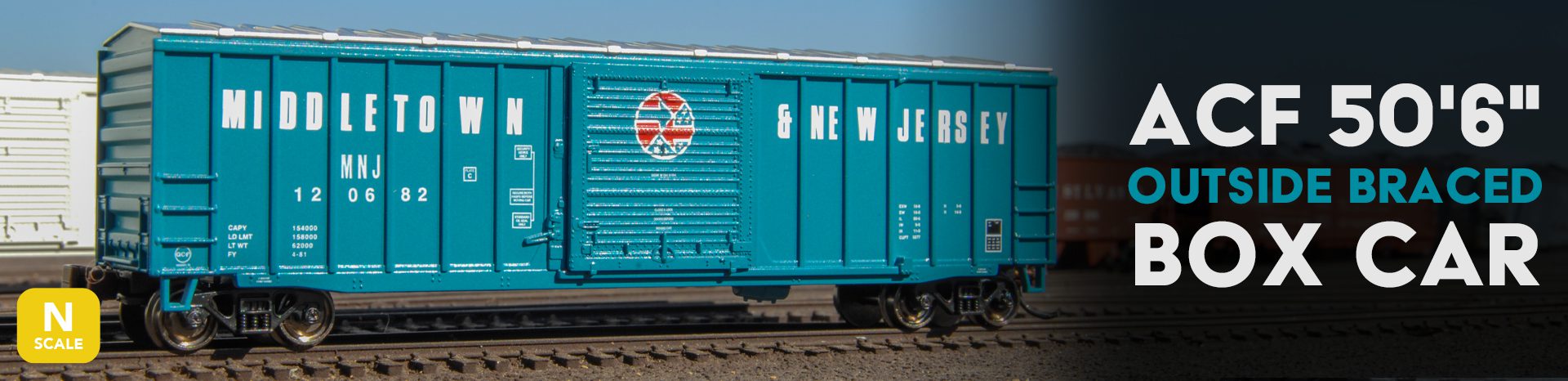
Look at this N scale ACF 50’6″ outside braced box car and notice how the entire model fits comfortably in the palm of your hand, with the distinctive vertical bracing ribs still clearly rendered along the car sides. In HO scale, this same prototype would be nearly twice as long and significantly taller, making individual details easier to see but requiring much more shelf and layout space. For HO vs N scale beginners weighing space constraints, this single freight car perfectly illustrates how N scale shrinks realistic rolling stock down to a remarkably compact size without sacrificing prototype accuracy.
2. Classic Steam Locomotives Reveal Detail Trade-Offs
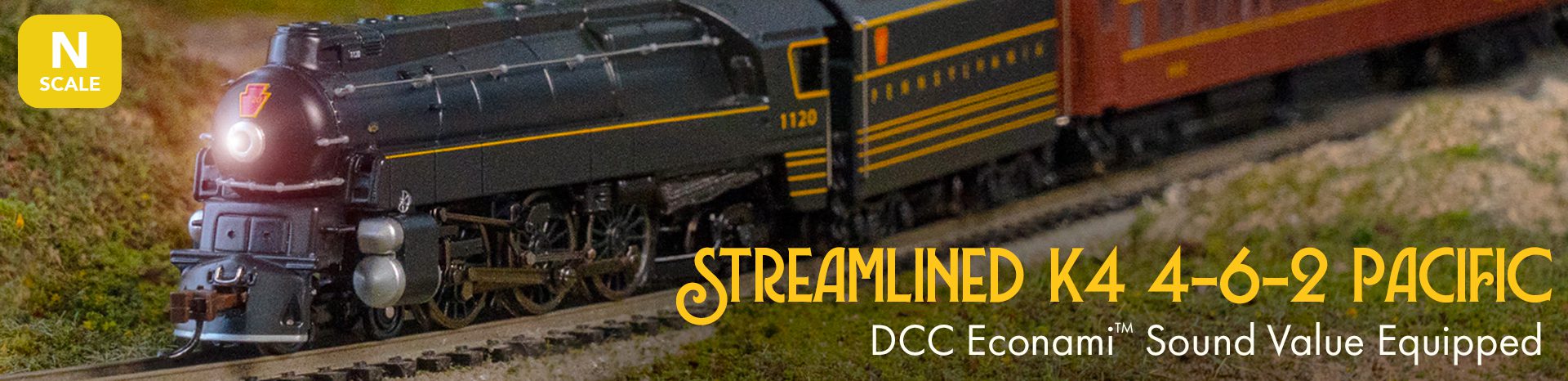
This N scale K4 Pennsylvania Railroad steam locomotive showcases how far small-scale manufacturing has come, with visible piping along the boiler, a detailed cab interior, and accurately spaced drive wheels. In HO scale, that same K4 would feature even finer separately applied parts like grab irons, brake lines, and individually cast handrails that modelers can appreciate without a magnifying glass. When comparing HO vs N scale beginners options in steam power, HO generally delivers more out-of-the-box detail, but modern N scale models like this one have dramatically closed the gap.
3. Larger Scales Highlight Handling and Maintenance Ease
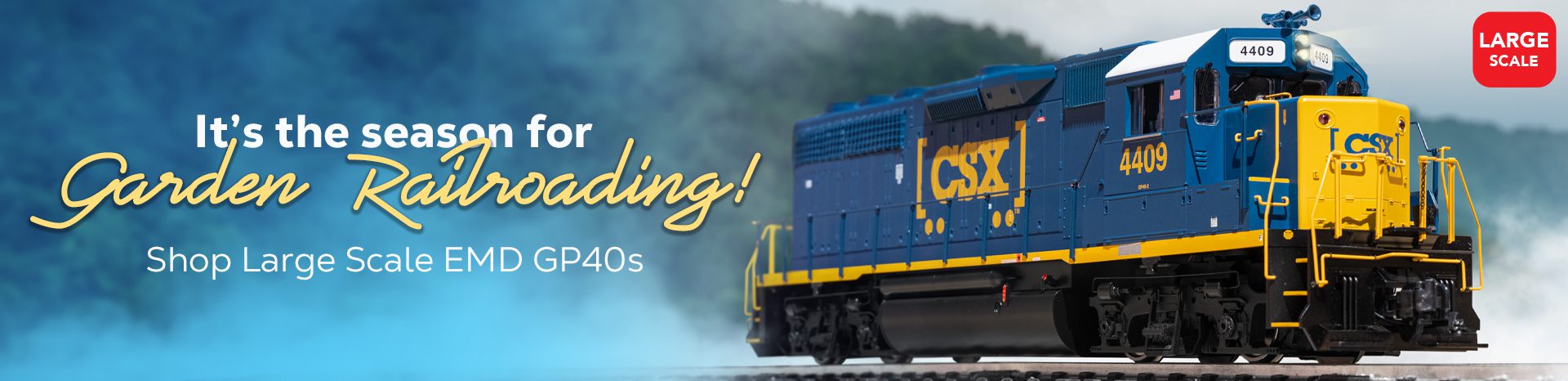
These large scale GP40 diesel locomotives demonstrate just how accessible bigger models can be — every handrail, fan grille, and number board is easy to see, touch, and maintain. While HO scale is not as oversized as this, it still offers a meaningful handling advantage over tiny N scale equipment, making tasks like re-railing cars, cleaning wheels, and installing DCC decoders far less frustrating for newcomers. Beginners exploring the HO vs N scale question should consider their comfort level with small parts, because maintenance difficulty scales directly with model size.
4. Modern Diesel Variety Thrives in Both Scales
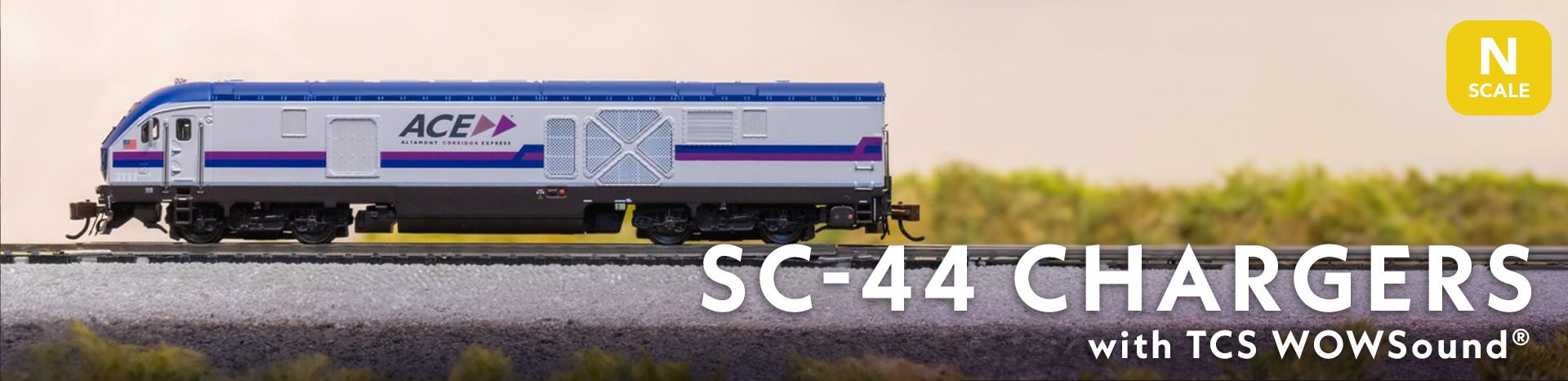
These N scale SC44 Charger locomotives display the sleek, contemporary profile of modern passenger diesels, complete with accurate paint schemes and crisp lettering that pops even at 1:160 proportions. Manufacturers have invested heavily in both HO and N scale toolings for popular prototypes like the Charger, meaning beginners in either scale can find current, readily available motive power for their layouts. For HO vs N scale beginners interested in modeling today’s railroads rather than historical eras, product selection in both scales has never been stronger.
5. HO Offers Superior Separately Applied Details
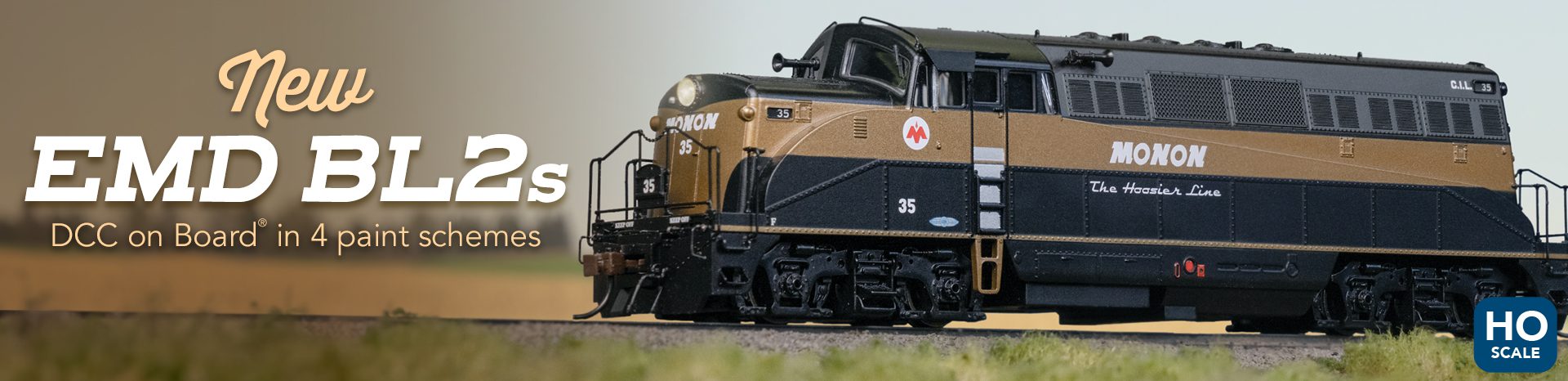
Examine these HO scale EMD BL2 locomotives and you will notice individually attached grab irons, windshield wipers, and MU hoses that stand out from the body with realistic three-dimensional depth. This level of separately applied detail is one of HO scale’s signature advantages — parts are large enough for manufacturers to include delicate additions straight out of the box without dramatically increasing the price. Beginners comparing HO vs N scale should know that HO models frequently arrive closer to “finished” in appearance, requiring less aftermarket upgrading to look their best.
6. Specialty Rolling Stock Tests Scale Availability
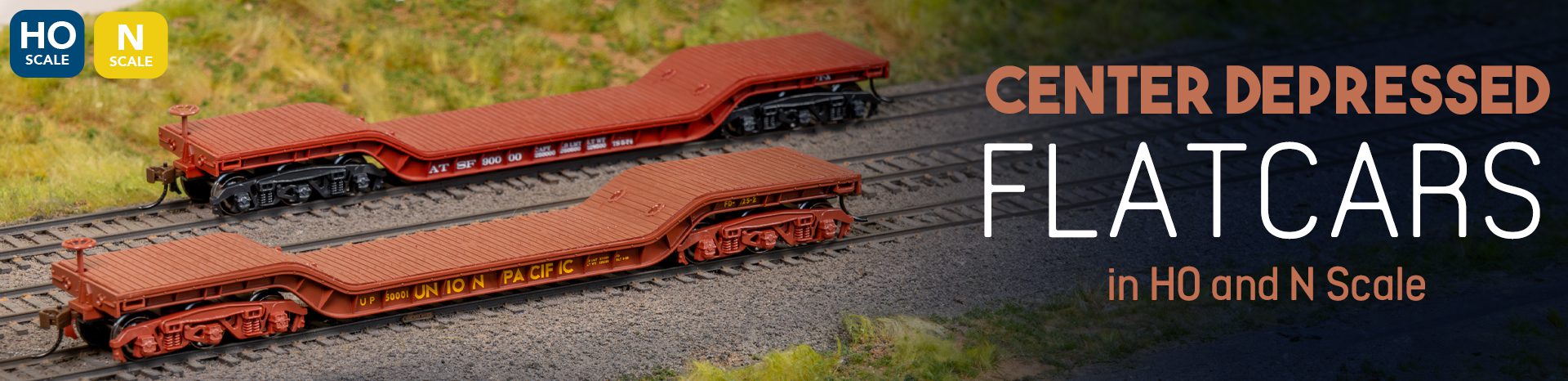
These center depressed flatcars, designed to carry oversized loads like transformers and heavy machinery, highlight how both scales handle niche prototype equipment. In HO, specialty cars like these tend to appear from multiple manufacturers with a wide range of road names, while N scale offerings may be limited to fewer producers and paint schemes. For HO vs N scale beginners who dream of modeling unusual equipment and rare prototypes, HO’s deeper product catalog generally provides more options right out of the gate.
7. Covered Hoppers Show Lettering Legibility Differences
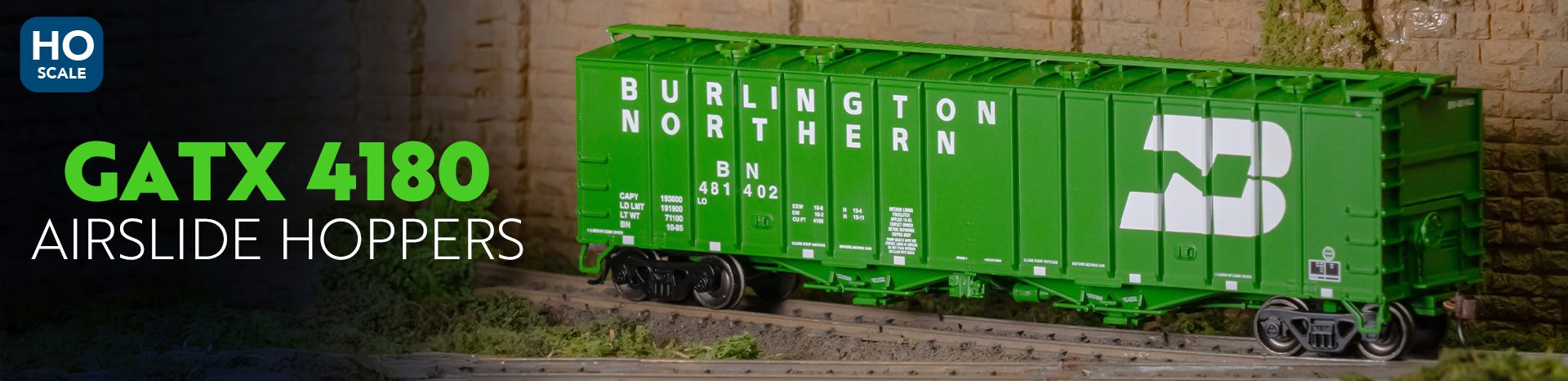
Look closely at these GATX 4180 covered hoppers and notice the reporting marks, capacity stencils, and consolidated stencil data printed along the car sides. In HO scale, this lettering is large enough to read with the naked eye from a comfortable viewing distance, while N scale versions require you to lean in or use magnification to appreciate the same printing. Beginners weighing HO vs N scale should think about how important readable car lettering is to their enjoyment, because this is one area where physical size creates a tangible experience difference.
8. Urban Transit Modeling Favors Compact Scales
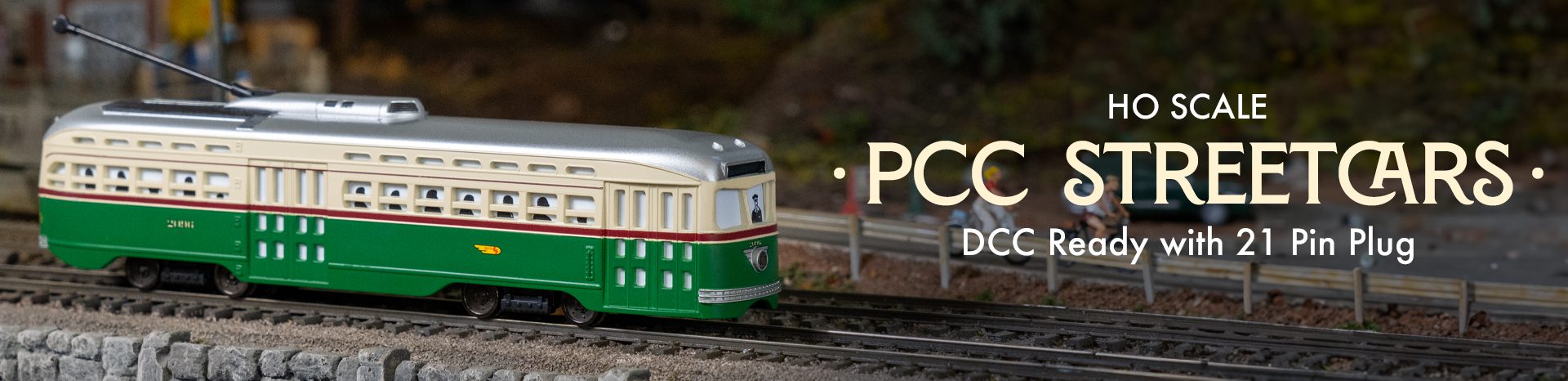
These PCC streetcars, iconic symbols of mid-century American urban transit, illustrate how N scale excels at city modeling where tight streets, dense buildings, and interurban lines define the scene. Building a convincing downtown streetcar loop in HO demands significant square footage, but the same scene in N scale fits on a modest tabletop while still accommodating realistic block lengths and building heights. HO vs N scale beginners drawn to urban and traction themes should seriously consider N scale’s space efficiency for capturing the feel of a bustling cityscape.
9. Industrial Loads Add Layout Operating Interest
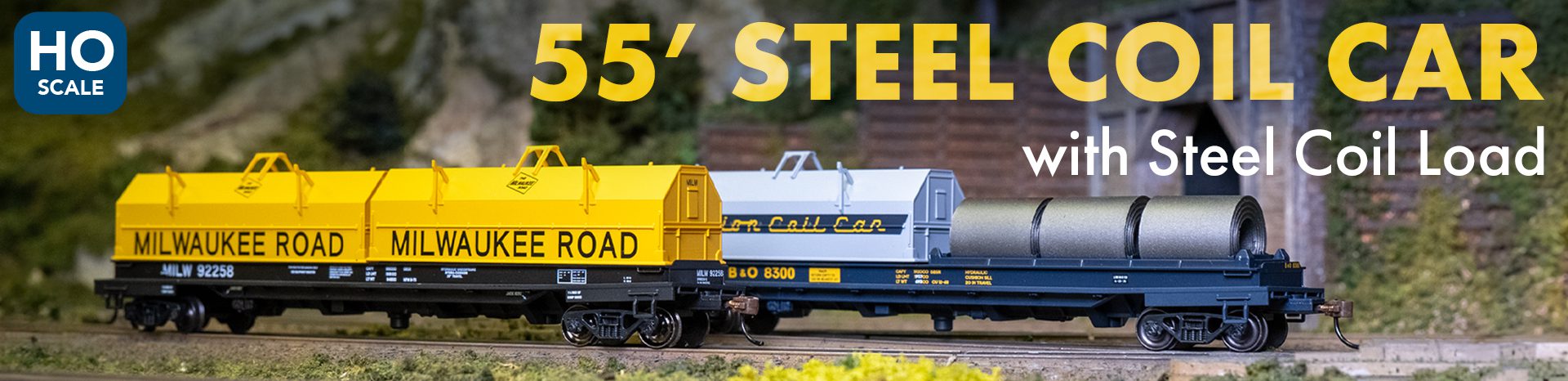
These steel coil cars, with their distinctive protective covers and low-slung cradles, represent the kind of industrial traffic that brings a layout to life during operating sessions. In both HO and N scale, coil cars are available with removable loads, but HO versions are easier to customize with weathering, added chains, and kitbashed details thanks to their larger surface area. For HO vs N scale beginners who want to focus on realistic operations and hands-on detailing, HO’s size makes upgrading rolling stock a more approachable weekend project.
10. Long Unit Trains Shine on N Scale Layouts
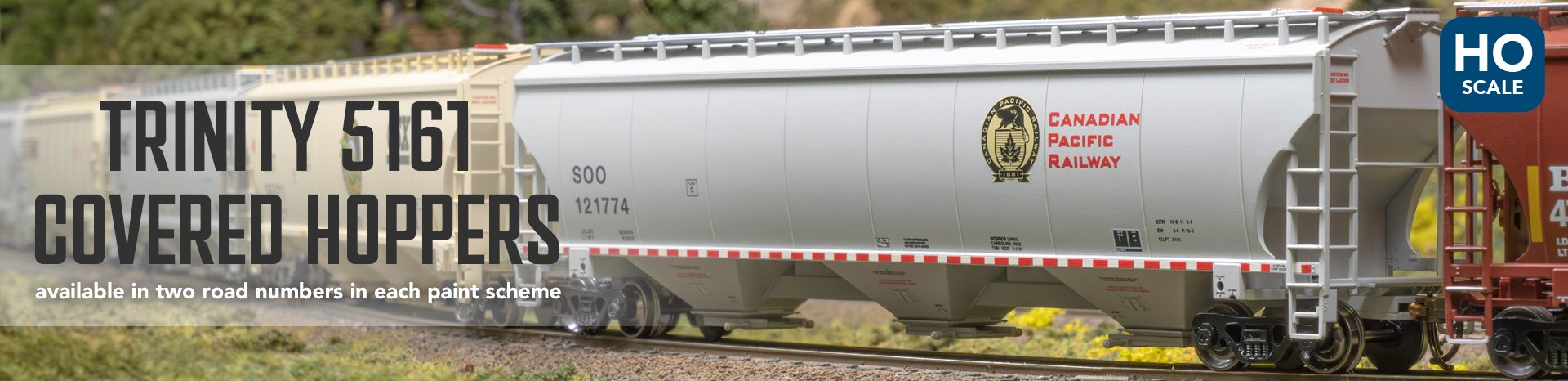
A string of these Trinity hoppers rolling through a scene captures the drama of a prototype-length unit train, and N scale makes running 50, 80, or even 100-car consists a realistic possibility on a home layout. In HO, the same train would need a massive room to avoid looking compressed on overly tight curves, which is why many grain and coal train enthusiasts ultimately choose N scale. Beginners exploring HO vs N scale should ask themselves whether sweeping mainline railroading or close-up switching appeals to them more, because that answer often points directly to the right scale.